
Category

Women’s Health

It’s all about you and your health this October!

By Latest News, Women's Health

Your October Women’s Health Check-In

October is a great time to pause and check in with your health.

While Breast Cancer Awareness Month places an important focus on breast health, it is also a good reminder that preventative healthcare extends well beyond breast screening.

Here are five areas of women’s health worth checking in on this October.

  1. Breast Health

Be familiar with what is normal for you and speak with your GP if you notice a new or unusual change, including a lump, change in breast shape or skin, nipple changes, unusual discharge or persistent pain.

If you are eligible for breast screening, make sure you are up to date. If you are unsure when you should be screened, your GP can discuss your individual circumstances and family history with you.

  1. Cervical Screening

Regular cervical screening is an important part of preventing cervical cancer. The National Cervical Screening Program helps detect HPV and cervical cell changes early.

If your cervical screening test is due, don’t put it off. Your GP can answer any questions you may have about the test and what to expect.

  1. Bowel Cancer Screening

Eligible Australians can access free bowel screening through the National Bowel Cancer Screening Program.

If you receive a screening kit, completing and returning it is a simple step towards looking after your health. You should also speak with your GP if you experience changes such as blood in your bowel motions, persistent changes in bowel habits, unexplained weight loss or ongoing abdominal discomfort.

  1. Your Mental Wellbeing

Your mental health is an important part of your overall health.

Stress, family responsibilities, work, sleep difficulties and major life changes can all affect how you feel. Hormonal changes during pregnancy, the postnatal period, perimenopause and menopause can also affect mood and wellbeing.

If you have noticed ongoing changes in your mood, anxiety, sleep, concentration or ability to cope, talking with your GP can be a helpful first step.

  1. Perimenopause & Menopause

Changes during perimenopause and menopause can affect much more than your periods.

Hot flushes, night sweats, sleep difficulties, mood changes, brain fog, changes in energy, libido and vaginal or urinary symptoms can all occur.

If symptoms are affecting your quality of life, you don’t simply have to put them down to ageing. Your GP can help you understand your symptoms and discuss appropriate options for your individual circumstances.

Make Time for Your Health

Preventative healthcare isn’t about waiting until something is wrong. It’s about knowing what screening you may be due for, recognising changes in your body and making time to look after yourself.

This October, ask yourself:

Am I up to date with my recommended health checks?

Have I noticed any changes that I’ve been meaning to discuss?

How have I been feeling physically and emotionally?

If there is something you’ve been putting off, October is a great time to make that appointment.

At Her Medical, we believe women’s healthcare should support you through every stage of life.

Your health deserves your attention, too.

Living on the Edge: Managing the Emotional Roller Coaster of Peri/Menopause

By Women's Health


Anxiety, brain fog, mood swings — is it menopause or something else? A GP and psychologist explain what’s going on and how to cope.

Understanding Mental Health in Perimenopause & Menopause

Perimenopause and menopause bring far more than hot flushes and disrupted sleep — for many women, this life stage also brings panic, low mood, irritability, brain fog, and a sense of just not feeling like themselves. Yet these mental health changes are often misunderstood, misdiagnosed, or dismissed.

This educational event brings together women’s health GP Dr Natasha Feingold and clinical psychologist Dr Maria-Elena Lukeides to give you a clear, evidence-based understanding of what’s happening in the brain and body during this transition — and practical strategies to manage it well. We’ll also have a Q & A time at the end to answer any burning questions you may have!

What you’ll learn:

  • How fluctuating hormones affect mood, anxiety, and cognitive function
  • How to tell the difference between hormone-related symptoms and other mental health conditions
  • Psychological strategies and coping tools for managing mood changes, anxiety, and burnout
  • Lifestyle and medical treatment options and how they can support mental wellbeing

Who this is for:
Anyone experiencing (or anticipating) perimenopause or menopause, as well as partners, family members, and health professionals who want a deeper understanding of this often-overlooked side of the menopause transition.


Free Event – Reserve your ticket now!

When: Wednesday 22nd July 2026

Time: 6:30pm

Where: Her Medical Southport

https://bit.ly/3TqEkRS

Dr Maree Kekeff: A New Chapter in Women’s Health

By Women's Health

At Her Medical, we have been fortunate to host the incredible Dr Maree Kekeff, whose dedication to women’s health has made her a highly respected name on the Gold Coast. Over her time with us, Dr Kekeff has exemplified the values we hold dear—compassion, professionalism, and unwavering commitment to patient care.

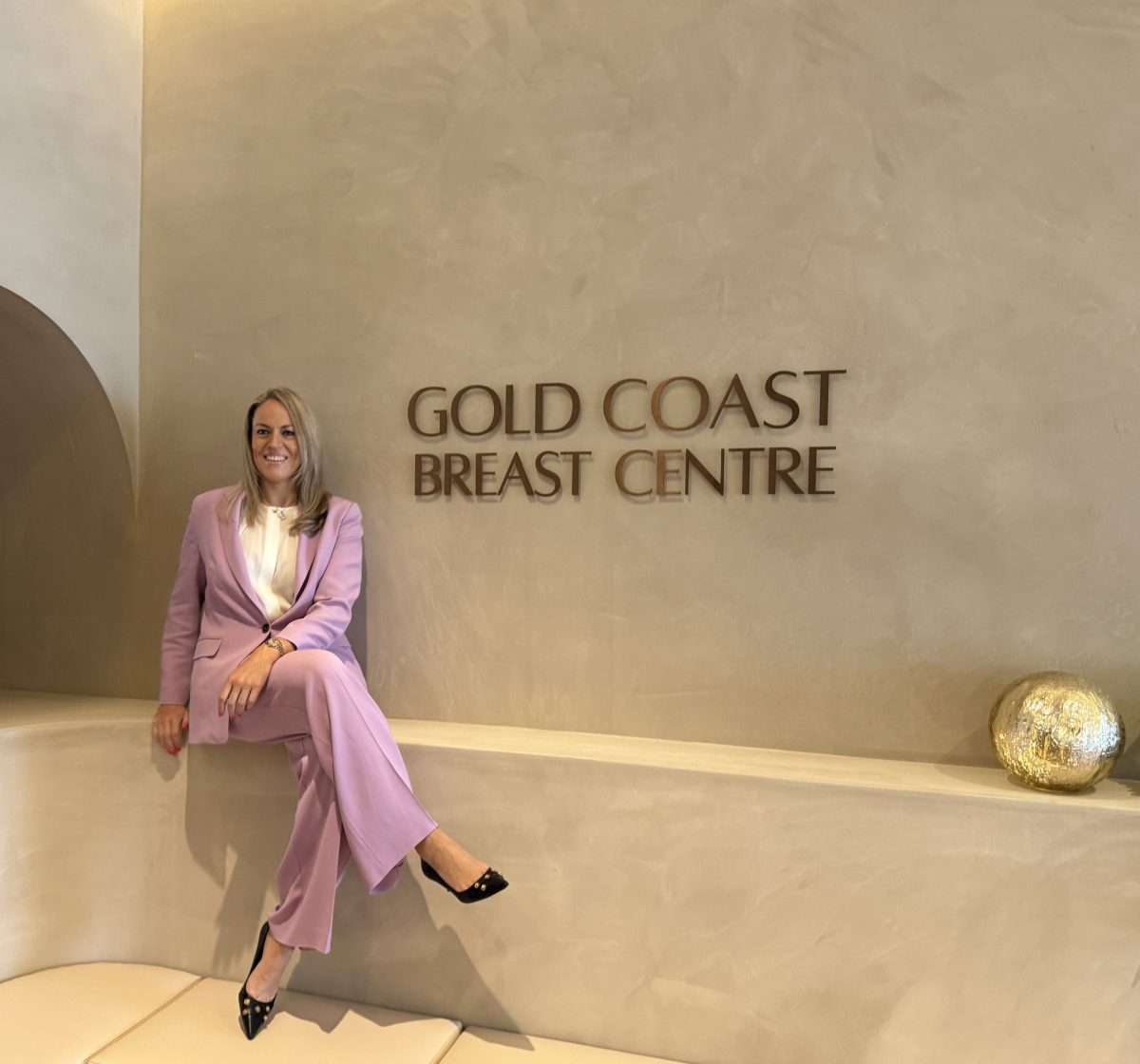
Now, she’s embarking on an exciting new journey, moving to her brand-new, state-of-the-art private practice just a little further down Ferry Road. The Gold Coast Breast Centre promises to deliver the same exceptional care, with a focus on empowering women to take control of their health in a welcoming and innovative space.

Supporting a Visionary in Women’s Health

We are incredibly proud to have been part of Dr Kekeff’s journey and to see her create a space that aligns so closely with her vision. The Gold Coast Breast Centre is more than a clinic; it’s a testament to female leadership in medicine and an inspiring leap forward in personalised, patient-centred care.

While we’ll miss having Dr Kekeff working from our rooms, we are thrilled to continue cheering her on as she makes this bold move. For those who wish to follow her to her new practice, the details are as follows:

Phone: 07 5623 3308
Email: admin@goldcoastbreastcentre.com.au
Address: Suite 1-63 Ferry Road, Southport

https://goldcoastbreastcentre.com.au/

A Fond Farewell, Not Goodbye

Dr Kekeff’s transition marks an exciting new chapter, and we know that her patients will continue to receive the exemplary care she is renowned for. Her Medical is honoured to have been part of her story, and we will remain her biggest supporters as she continues to make a lasting impact on women’s health in our community.

We encourage you to explore her new practice and experience the future of women’s healthcare at the Gold Coast Breast Centre.


What is the Pelvic Floor?

By Pelvic Floor, Women's Health
What is the Pelvic Floor?
The pelvic floor is a group of muscles that act like a ‘sling’ or hammock between the pubic bone in the front of the pelvis and the tailbone at the back. A woman’s pelvic floor muscles support her uterus, bladder, and bowel. Pelvic floor dysfunction can lead to common issues such as incontinence, prolapse, pelvic pain & painful intercourse.
 
Why are my kegels exercises not helping? 
Kegels or pelvic floor exercises can often help strengthen “weak” pelvic floor muscles that may occur after pregnancy and birth, following abdominal or gynaecological surgery, from repetitive straining or due to the normal process of ageing.
There can be a number of reasons why kegels or pelvic floor exercises aren’t working for you :
1. You may not be doing your exercises correctly, pushing rather than lifting or using different muscles altogether.
2. Your pelvic floor muscles might be  tight and need help to relax before you can strengthen them.
3. You may need to squeeze a little more, a little less or add some resistance or load to achieve an optimal activation.
4. You may need help to focus on them a little more or differently, using imagery or pressure on a particular area.
5. Your pelvic floor could be strong and your incontinence is due to a timing issue. The neural signals that go back and forward to your brain to tell your pelvic floor muscles to contract don’t always work as well in a muscle that has been lengthened due to increased load or trauma.
If you’re not able to enjoy doing what you love without the fear of leakage, it’s worth contacting your local women’s health physio for a pelvic floor assessment and an individualised pelvic floor program.
For more information or to book with Laura Fraser, please book online at her MEDICAL or reception on (07) 5616 8070.
💜 Supporting all women to Bloom 💜