

Australia’s known for its beautiful beaches, perfect weather, and endless days of sunshine. Sounds amazing, right? But that sun, while great for beach days, can also be a bit of a troublemaker when it comes to our skin. In fact, Australia has one of the highest rates of skin cancer in the world. But here’s the good news: we can prevent and catch it early by being proactive with regular skin checks. Yep, that means checking out your skin (and getting your doctor or dermatologist to do the same), so you’re ahead of the game.
Let’s dive into why regular skin checks are your skin’s best friend and how you can keep that gorgeous glow (safely, of course).
The Aussie Skin Cancer Situation
Skin cancer comes in a few flavors: basal cell carcinoma (BCC), squamous cell carcinoma (SCC), and melanoma. Now, BCC and SCC are more common and tend to be less aggressive, but melanoma—well, that’s the one you really don’t want to mess with. Melanoma is tricky because it can spread fast, but the good news is that if you spot it early, it’s often treatable.
Australia’s sunny vibes come with a catch: lots of UV exposure. Even when you’re just hanging out in the shade, those sneaky UV rays can still cause damage. And even if you have the perfect beach tan, that sun exposure can come back to haunt you down the road. But don’t panic! Regular skin checks help catch any potential issues early, which is key to keeping things under control.
Why Regular Skin Checks Are a Big Deal
Okay, so what’s the deal with skin checks? Well, for starters, they can literally save your life. Here’s why they’re so important:
- Early Detection is Everything
When it comes to skin cancer, the earlier you catch it, the better. Things like new moles or any changes in your skin’s appearance might not seem like a big deal, but they could be a sign of something that needs attention. A regular check (by you or your doctor) means you can spot these changes early—when they’re much easier to treat.
- The ABCDEs of Skin Cancer
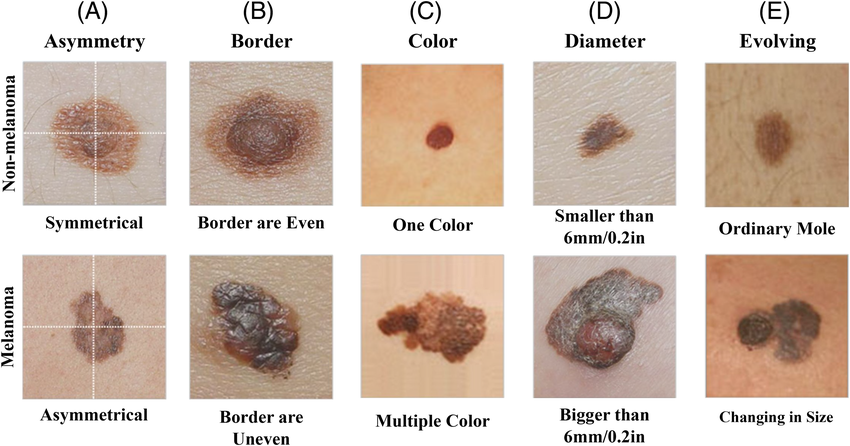
Now, I know the alphabet isn’t everyone’s favorite thing, but this one’s pretty important when it comes to checking your moles. Doctors have a simple guide for spotting potential skin cancer, called the ABCDE rule:- A for Asymmetry: If one side of the mole looks different from the other, it’s time to get it checked.
- B for Border: Uneven or jagged edges are another red flag.
- C for Colour: Moles that are multiple colors (or look like they’re changing) are suspicious.
- D for Diameter: If it’s bigger than a pencil eraser (that’s about 6mm), it’s worth looking at.
- E for Evolving: If the mole changes over time, that’s a sign you need to take action.
- Remember, it’s all about noticing changes early, and these rules help you know what to keep an eye on.
- You’re in Control
The good thing about regular skin checks is that they help you stay ahead of the game. By getting checked regularly (and checking yourself in between), you’re not just waiting for something to go wrong—you’re being proactive. Plus, your doctor can give you advice on the best sun protection practices, so you can keep your skin in tip-top shape while enjoying the Aussie outdoors.

When Should You Get a Skin Check?
Now, you’re probably wondering, “How often should I get a skin check?” Great question! While it’s a good idea for most people to do a quick skin check on themselves each month, if you’re in one of these higher-risk groups, you might want to make sure you’re seeing a professional every year:
- If you’re fair-skinned (hello, we’re talking to all the freckled friends out there!).
- If you’ve got a family history of skin cancer.
- If you have lots of moles or any that look a bit out of the ordinary.
- If you’ve spent a fair amount of time soaking up the sun or live in a high-UV area.
For everyone else, checking yourself regularly (and knowing what’s normal for you) and getting a full check once a year is a good start.
Skin Cancer Prevention Tips
While skin checks are a big part of staying on top of skin cancer, prevention is key, too. Here’s what you can do to protect your skin from the sun’s harmful rays:
- Sunscreen, sunscreen, sunscreen: You can never go wrong with SPF. Look for a broad-spectrum sunscreen with SPF 30 or higher, and apply it generously (don’t forget your ears, neck, and the back of your hands!). Reapply every two hours, especially if you’ve been swimming or sweating.
- Seek shade: The sun is hottest between 10 a.m. and 4 p.m. If you can, try to stay in the shade during these hours. Your skin will thank you.
- Wear protective clothing: Think wide-brimmed hats, sunglasses, and clothing with built-in UV protection. You’ll look stylish and protect your skin at the same time!
- Avoid tanning beds: These seem to be making a come back for home use in Australia. Seriously, those things are not doing you any favors. Just don’t.
Wrapping It Up
Look, I know no one likes thinking about skin cancer—it’s definitely not the most fun topic to bring up at the beach BBQ. But the good news is that it’s mostly preventable and treatable when caught early. So, make regular skin checks part of your routine (and encourage your loved ones to do the same). The more proactive you are, the better your chances of keeping your skin happy and healthy.
And remember: your skin is with you for life, so treat it well. It’ll thank you later.
Stay safe, stay sun-smart, and keep checking those moles!
Written by Dr Megan Kelly January 2025