
All Posts By

John Bond

“What benefits can I expect from involving allied health professionals in managing my asthma more efficiently ?”

By Asthma, Preventative health

People with chronic lung diseases, including asthma, can benefit from the support and expertise of various allied health professionals who work together to manage their conditions and improve their overall quality of life. These professionals can provide specialized care and education to help individuals manage their symptoms, reduce exacerbations, and adopt healthy lifestyle behaviors. Here are some allied health professionals who can support people with chronic lung disease and asthma:

Pulmonary Rehabilitation Specialist: Pulmonary rehabilitation specialists design and supervise exercise programs specifically tailored to individuals with chronic lung diseases, such as asthma and chronic obstructive pulmonary disease (COPD). These programs help improve lung function, physical fitness, and quality of life.

Respiratory Therapist: Respiratory therapists are trained to evaluate lung function and provide treatments to manage breathing problems. They can assist in using inhalers and other respiratory devices effectively.

Registered Dietitian: Dietitians can provide dietary counseling to manage weight, which can impact lung function in some cases. They can also help individuals with asthma identify and avoid potential triggers through dietary modifications.

Occupational Therapist: Occupational therapists can help individuals manage daily activities, adapt their environments, and address any physical limitations caused by chronic lung disease or asthma.

Lung Made Of Colorful Flowers. Generative Ai Illustrations.

Speech-Language Pathologist: For individuals with breathing difficulties, speech-language pathologists can work on techniques to improve breathing and speaking coordination, which can be especially helpful for people with asthma who experience vocal cord dysfunction.

Social Worker: Managing chronic lung diseases can be emotionally challenging. Social workers or counselors can provide emotional support, coping strategies, and mental health interventions.

Allergist/Immunologist: For individuals with asthma triggered by allergies, allergists can identify specific allergens and develop personalized treatment plans, including allergy shots (immunotherapy).

Physical Therapist: Physical therapists can assist with exercise programs, mobility, and breathing techniques to improve lung capacity and overall physical health.

Pharmacist: Pharmacists can review medications, provide education on proper inhaler techniques, and address any concerns related to asthma medications.

The collaborative efforts of these allied health professionals, alongside pulmonologists or primary care physicians, are essential in providing comprehensive care and support for individuals with chronic lung diseases and asthma. By addressing various aspects of their conditions and promoting healthy lifestyle behaviors, allied health support can help improve symptom management and overall well-being.


“What team comprises a holistic approach to my cardiovascular disease?”

By Cardiovascular Disease, Preventative health

Allied health professionals play a vital role in supporting individuals with cardiovascular disease by providing specialised care and services that complement the work of cardiologists and other medical specialists. Cardiovascular disease refers to conditions that affect the heart and blood vessels, including coronary artery disease, heart failure, hypertension, and peripheral artery disease. Here are some allied health professionals who can assist people with cardiovascular disease:

3d Heart Model Embellished With An Exquisite Arrangement Of Pastel Hued Flowers And Graceful Leaves, Adding A Touch Of Elegance And Sweetness. Generative Ai.

3D heart model embellished with an exquisite arrangement of pastel-hued flowers and graceful leaves, adding a touch of elegance and sweetness. generative AI.

Cardiac Rehabilitation Specialist: Cardiac rehabilitation specialists are trained to design and supervise exercise programs tailored to individuals with cardiovascular disease. They help patients improve their cardiovascular fitness, manage risk factors, and recover after cardiac events or surgeries.

Registered Dietitian or Nutritionist: Dietitians can provide dietary counseling to manage conditions like hypertension, high cholesterol, and obesity, all of which are risk factors for cardiovascular disease. They can help individuals adopt heart-healthy eating habits and manage their weight.

Cardiovascular Nurse: Cardiovascular nurses specialize in caring for patients with heart conditions. They assist in monitoring patients, administering medications, educating them about their conditions, and providing ongoing support.

Cardiac Sonographer (Echocardiographer): Cardiac sonographers perform echocardiograms, which are ultrasound tests that create images of the heart’s structure and function. These tests are essential for diagnosing and monitoring cardiovascular conditions.

Cardiovascular Technologist: Cardiovascular technologists assist in performing diagnostic tests and procedures, such as electrocardiograms (ECGs or EKGs) and stress tests, to evaluate heart function and diagnose cardiovascular conditions.

Psychologist: Coping with cardiovascular disease can be emotionally challenging. Cardiovascular psychologists can provide support, counseling, and coping strategies to help patients manage stress and improve their emotional well-being.

Occupational Therapist: Occupational therapists can help individuals with cardiovascular disease adapt their daily activities and lifestyle to reduce the risk of cardiovascular events and improve overall functioning.

Social Worker or Support Groups: Social workers can offer emotional support, connect patients with community resources, and provide information on support groups for individuals with cardiovascular disease.

Respiratory Therapist: For individuals with cardiovascular and respiratory conditions, respiratory therapists can assist in managing breathing problems and providing respiratory care.

Physical Therapist: Physical therapists can help with rehabilitation and mobility issues, creating tailored exercise programs to improve cardiovascular fitness and overall physical health.

The collaborative efforts of these allied health professionals, alongside cardiologists and other medical specialists, are essential in providing comprehensive care and support for individuals with cardiovascular disease. By addressing various aspects of the condition and promoting healthy lifestyle behaviors, allied health support can help improve outcomes and enhance the overall quality of life for those living with cardiovascular disease.

“I have been diagnosed with Polycystic Ovary Syndrome and now my doctor has recommended allied health intervention”

By PCOS, Preventative health, Uncategorised

People with polycystic ovary syndrome (PCOS) can benefit from the support and expertise of various allied health professionals who work together to manage the condition and address its associated symptoms. PCOS is a hormonal disorder that affects women of reproductive age and can cause irregular menstrual cycles, infertility, and other health concerns. Here are some allied health professionals who can provide support to individuals with PCOS:

Gynecologist or Reproductive Endocrinologist: These specialists play a central role in diagnosing and managing PCOS. They can prescribe medications to regulate menstrual cycles, manage hormonal imbalances, and address fertility issues if needed.

Registered Dietitian or Nutritionist: Dietitians can provide guidance on diet and lifestyle modifications to manage insulin resistance and promote weight management, as these are often associated with PCOS. They can help individuals develop balanced meal plans that support hormone regulation and overall health.

Endocrinologist: Endocrinologists specialize in hormonal disorders and can provide expert care for individuals with PCOS. They can help manage hormonal imbalances and address specific concerns related to the endocrine system.

Pain Management Specialist: Some individuals with PCOS may experience chronic pelvic pain or discomfort. A pain management specialist can develop strategies to alleviate pain and improve the person’s quality of life.
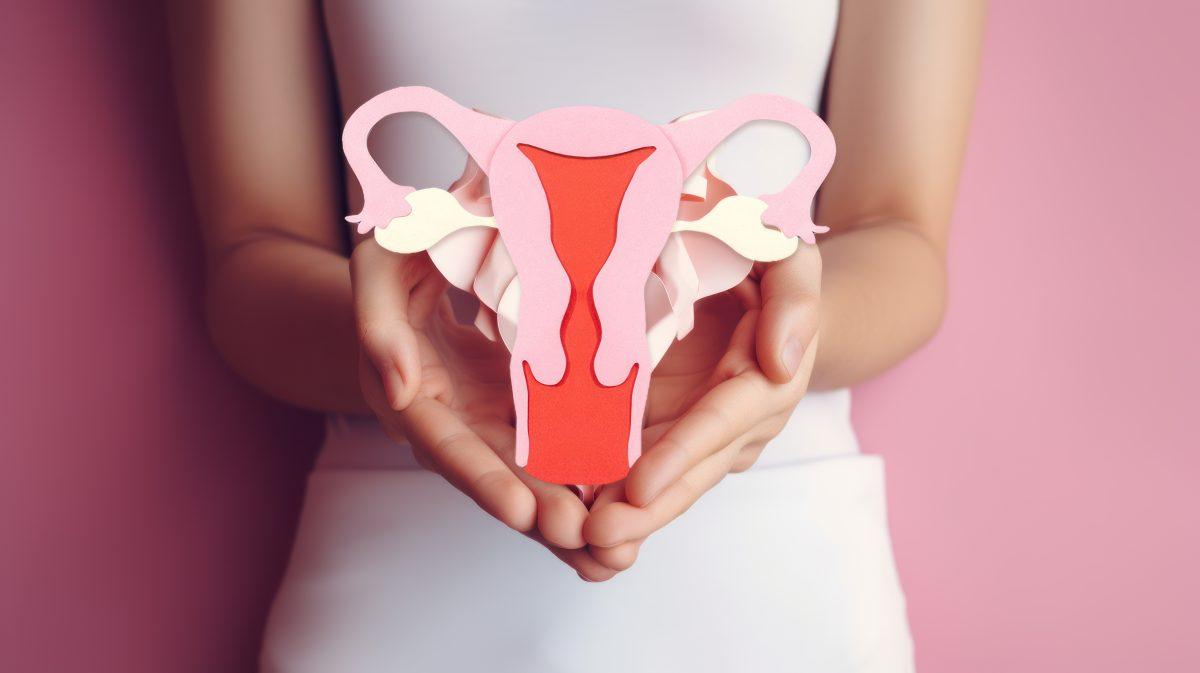
Female Reproductive Health Concept. Woman Hand Holding Uterus Sh

Psychologist: PCOS can have psychological impacts due to fertility concerns, hormonal fluctuations, and body image issues. Psychologists or counselors can offer support, coping strategies, and mental health interventions.

Pelvic Floor Physical Therapist: Pelvic floor physical therapists can address any pelvic floor muscle dysfunction and pelvic pain that individuals with PCOS may experience.

Infertility Specialist: For those with PCOS facing fertility challenges, an infertility specialist or reproductive endocrinologist can provide guidance on fertility treatments and options.

Social Worker or Support Groups: A social worker can offer emotional support, connect individuals with PCOS to community resources, and provide information on support groups where they can connect with others facing similar challenges.

Acupuncturist or Alternative Therapist: Some individuals find relief from PCOS symptoms through complementary and alternative therapies, such as acupuncture or herbal medicine.

: Regular physical activity is beneficial for managing PCOS. Exercise physiologists or physical therapists can design appropriate exercise programs tailored to individual needs.

The management of PCOS often involves a combination of medical treatments, lifestyle modifications, and support from various allied health professionals. A multidisciplinary approach can provide comprehensive care and help individuals with PCOS address the various aspects of the condition, improve their quality of life, and manage symptoms effectively.

“how would I benefit from having allied health as part of my endometriosis care?”

By Endometriosis, Preventative health

Women with endometriosis can benefit from the support and expertise of various allied health professionals who work together to manage the condition and improve the individual’s overall well-being. Endometriosis is a chronic and often painful condition in which tissue similar to the uterine lining grows outside the uterus, causing inflammation, pain, and potential fertility issues. Here are some allied health professionals who can provide support to individuals with endometriosis:

Gynecologist or Reproductive Endocrinologist: These specialists are at the forefront of endometriosis management. They diagnose the condition, prescribe medications, and perform surgical interventions when necessary. Gynecologists and reproductive endocrinologists play a critical role in creating a treatment plan tailored to the individual’s specific needs and goals.

Pain Management Specialist: Given that endometriosis can be associated with chronic pelvic pain, a pain management specialist can help develop strategies to alleviate pain and improve the person’s quality of life. They may use a combination of medications, physical therapy, and other non-invasive techniques.

Registered Dietitian or Nutritionist: Dietitians can provide guidance on anti-inflammatory diets and lifestyle modifications that may help manage endometriosis symptoms. They can also address issues related to gut health, which is often associated with endometriosis.

Pelvic Floor Physical Therapist: Pelvic floor physical therapists specialize in addressing pelvic floor muscle dysfunction and pelvic pain. They can work with individuals with endometriosis to improve pelvic muscle strength, flexibility, and function.

Psychologist : Endometriosis can have significant emotional and psychological impacts due to chronic pain, fertility concerns, and the challenges of managing a chronic condition. Psychologists or counselors can provide support, coping strategies, and mental health interventions.

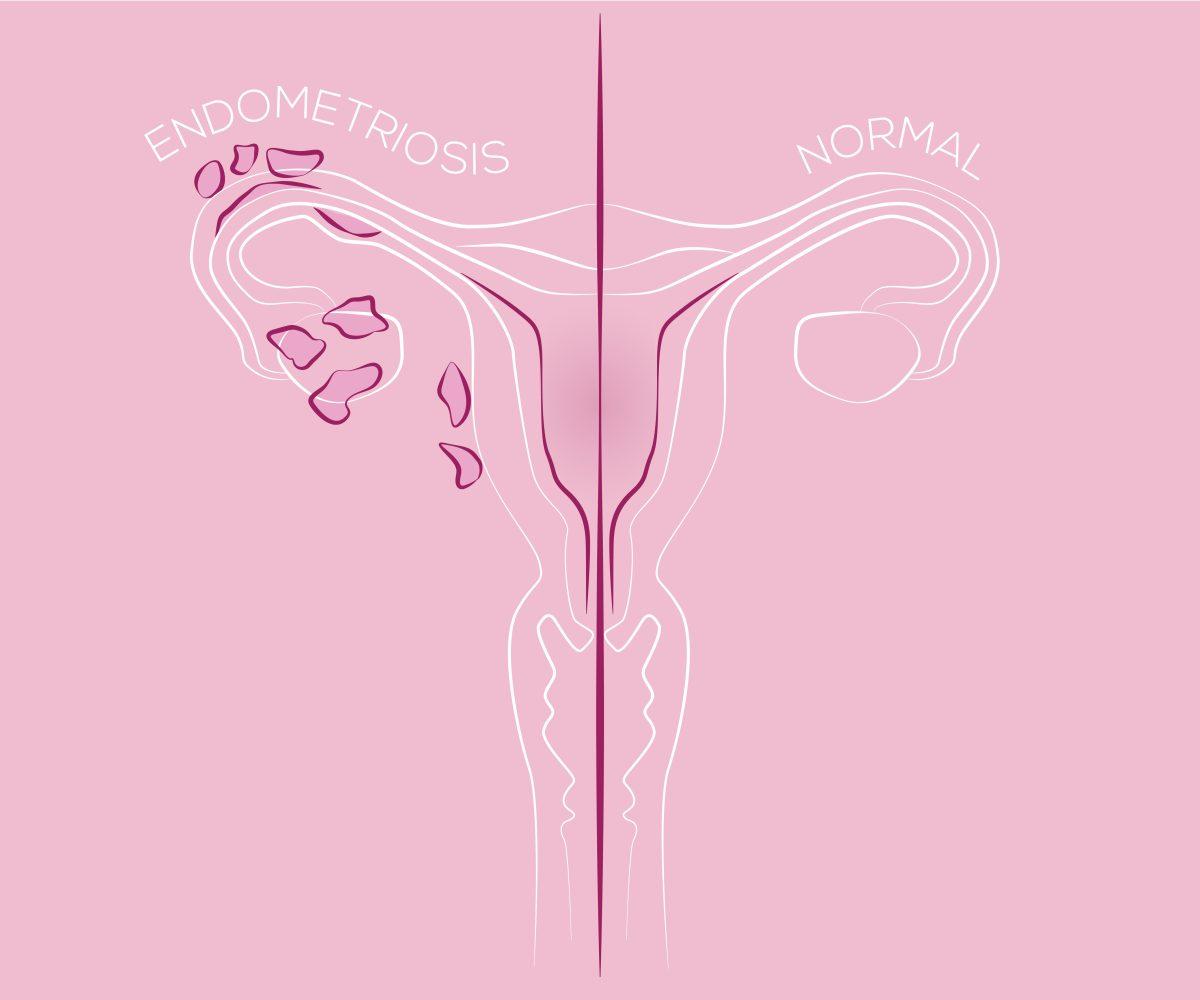
Illustration Of Endometriosis, Endometrial Tissue In The Uterus,

Illustration of endometriosis, endometrial tissue in the uterus, female disease

Infertility Specialist: For individuals with endometriosis facing infertility issues, an infertility specialist or reproductive endocrinologist can provide guidance on fertility treatments and options, such as in vitro fertilisation (IVF).

Occupational Therapist: Occupational therapists can assist individuals with endometriosis in adapting daily activities to reduce pain and improve overall functioning. They can also address ergonomic issues at work or home that may exacerbate symptoms.

Social Worker or Support Groups: A social worker can provide emotional support, connect individuals with endometriosis to community resources, and offer information on support groups where they can connect with others facing similar challenges.

Acupuncturist or Alternative Therapist: Some people find relief from endometriosis symptoms through complementary and alternative therapies, such as acupuncture. These therapies can be used in conjunction with medical treatments.

It is important to remember that endometriosis affects individuals differently, and the treatment and support required may vary. A multidisciplinary approach involving various allied health professionals, along with the patient’s primary care physician or gynecologist, can offer comprehensive care and help manage the physical and emotional aspects of living with endometriosis.

“why has my doctor recommended to involve allied health into the care of my diabetes”?

By Diabetes, Preventative health

Allied health professionals play a crucial role in supporting individuals with diabetes by providing specialized care and services that complement the work of primary care physicians and endocrinologists. These professionals collaborate as part of a multidisciplinary team to help manage diabetes, improve outcomes, and enhance the overall quality of life for people living with the condition. Here are some allied health professionals who support diabetes care:

Registered Dietitian or Nutritionist: Dietitians and nutritionists provide personalized nutrition counseling and education to help individuals with diabetes develop healthy eating habits and manage their blood sugar levels effectively. They can create meal plans tailored to individual needs, taking into account factors like weight management, carbohydrate counting, and blood glucose control.

Diabetes Educator: Diabetes educators are specially trained healthcare professionals who provide education and support to individuals with diabetes. They help patients understand the disease, manage medications, monitor blood glucose, and adopt healthy lifestyle behaviors. Diabetes educators play a vital role in empowering patients to self-manage their condition effectively.

Exercise Physiologist or Physical Therapist: These professionals can design and supervise exercise programs tailored to individuals with diabetes. Regular physical activity is essential for diabetes management as it helps improve insulin sensitivity, control blood sugar levels, and manage weight.

Podiatrist: People with diabetes are at a higher risk of developing foot problems. Podiatrists specialize in foot care and can help prevent, diagnose, and manage foot-related complications associated with diabetes.

Ophthalmologist or Optometrist: Regular eye examinations are essential for individuals with diabetes as they are at higher risk of diabetic retinopathy and other eye conditions. Ophthalmologists and optometrists can detect and manage these conditions to prevent vision loss.

Pharmacist: Pharmacists can provide medication counseling, help manage medication adherence, and work with the healthcare team to optimize drug therapy for diabetes management.

Social Worker or Psychologist: Managing diabetes can be emotionally challenging for some individuals. Social workers and psychologists can provide emotional support, counseling, and coping strategies to help patients manage stress and maintain mental well-being.

Female Hands With Blood Drop And Syringe On Color Background. Di

Occupational therapists can help individuals with diabetes manage daily activities, develop coping skills, and address any physical limitations or challenges they may face due to the condition.

The collaborative efforts of these allied health professionals, alongside primary care physicians and endocrinologists, are essential in providing comprehensive care for individuals with diabetes. By addressing various aspects of diabetes management and promoting healthy lifestyle behaviors, allied health support can lead to better outcomes and an improved overall quality of life for those living with diabetes.

“I’m over 40 what’s my cardiovascular risk?”

By Over 40s, Preventative health

when I turned 40 I saw it as a significant milestone in terms of health awareness.  My mother passed suddenly, and I missed the opportunity to ask her about any known family health risk factors. So, I started to consider undergoing appropriate health screenings such as my cardiovascular risk. I wanted to be proactive with my health management and preventing or addressing any potential health issues.” 

Melinda Kaka – Practice Manager Her Medical

A healthy heart check, also known as a cardiovascular risk assessment or heart health screening, is recommended for individuals who have specific risk factors or fall into certain age groups. The goal of such checks is to identify early signs of cardiovascular disease or assess the risk of developing heart-related problems. Here are some general guidelines on who should consider having a healthy heart check:

Adults Over 40: Adults aged 40 and above, especially those with no known heart conditions, should consider having a heart health screening. This can help assess their risk factors and establish a baseline for future comparisons.

Adults with Risk Factors: Individuals of any age with one or more risk factors for heart disease should consider a heart health check. Common risk factors include:

High blood pressure (hypertension)
High cholesterol levels (dyslipidemia)
Diabetes or prediabetes
Smoking
Obesity or overweight
Family history of heart disease
Sedentary lifestyle
Unhealthy diet

Family History of Heart Disease: If you have a close family member (parent or sibling) who experienced heart disease at an early age (before 55 for men or 65 for women), it may be prudent to undergo heart health screening, regardless of your age.

Personal History of Heart Conditions: Individuals with a history of heart disease, heart attack, stroke, or other cardiovascular issues should have regular heart health checks to monitor their condition and manage risk factors effectively.

Sedentary Lifestyle: If you lead a sedentary lifestyle with little physical activity, a heart health screening can provide insights into potential cardiovascular risks and encourage lifestyle changes.

Kak

Melinda and mum Ellen

If you plan to start a new exercise program, make significant dietary changes, or undergo major life changes affecting your health, a heart health check may be beneficial to assess your current cardiovascular status.

It’s essential to remember that the specific recommendations for heart health screening may vary depending on factors such as country guidelines and individual health circumstances. If you are unsure whether you should undergo a heart health check, consult your primary care physician or a cardiologist. They can evaluate your individual risk factors and medical history to determine if a heart health screening is necessary and recommend appropriate steps to maintain a healthy heart.


Book your healthy heart check now 

or call 5616 8070  and speak to our nursing team

What is the Pelvic Floor?

By Pelvic Floor, Women's Health
What is the Pelvic Floor?
The pelvic floor is a group of muscles that act like a ‘sling’ or hammock between the pubic bone in the front of the pelvis and the tailbone at the back. A woman’s pelvic floor muscles support her uterus, bladder, and bowel. Pelvic floor dysfunction can lead to common issues such as incontinence, prolapse, pelvic pain & painful intercourse.
 
Why are my kegels exercises not helping? 
Kegels or pelvic floor exercises can often help strengthen “weak” pelvic floor muscles that may occur after pregnancy and birth, following abdominal or gynaecological surgery, from repetitive straining or due to the normal process of ageing.
There can be a number of reasons why kegels or pelvic floor exercises aren’t working for you :
1. You may not be doing your exercises correctly, pushing rather than lifting or using different muscles altogether.
2. Your pelvic floor muscles might be  tight and need help to relax before you can strengthen them.
3. You may need to squeeze a little more, a little less or add some resistance or load to achieve an optimal activation.
4. You may need help to focus on them a little more or differently, using imagery or pressure on a particular area.
5. Your pelvic floor could be strong and your incontinence is due to a timing issue. The neural signals that go back and forward to your brain to tell your pelvic floor muscles to contract don’t always work as well in a muscle that has been lengthened due to increased load or trauma.
If you’re not able to enjoy doing what you love without the fear of leakage, it’s worth contacting your local women’s health physio for a pelvic floor assessment and an individualised pelvic floor program.
For more information or to book with Laura Fraser, please book online at her MEDICAL or reception on (07) 5616 8070.
💜 Supporting all women to Bloom 💜