
All Posts By

John Bond

There’s strength in a team

By Preventative health, Team care arrangement

An Australian Team Care Arrangement (TCA) is a coordinated and collaborative healthcare plan designed to support individuals with chronic or complex health conditions. It is part of the Chronic Disease Management (CDM) program, which aims to enhance the management and care of patients with ongoing health needs. The program is also known as the Enhanced Primary Care (EPC) program.

The Australian Team Care Arrangement involves several healthcare professionals working together to provide comprehensive care and support for the patient. The team typically includes the patient’s General Practitioner (GP) or primary care provider and may involve other allied health professionals as needed, such as nurses, dietitians, physiotherapists, podiatrists, psychologists, and social workers.

Here are the key components of an Australian Team Care Arrangement:

  1. GP Management Plan (GPMP): The GPMP is a written plan developed by the patient’s GP that outlines the patient’s chronic health conditions, treatment goals, and strategies for managing these conditions. It also includes a review schedule for ongoing assessments.
  2. Team Care Arrangement (TCA): The TCA complements the GPMP by specifying the roles and responsibilities of other allied health professionals involved in the patient’s care. It outlines the specific services and interventions each professional will provide and how they will collaborate with the GP.
  3. Eligibility: To be eligible for the Australian Team Care Arrangement, the patient must have a chronic or complex health condition requiring ongoing care and management. Additionally, they must have a valid Medicare card.
  4. Number of Services: Under the CDM program, patients are eligible for a specific number of Medicare-rebated allied health services per calendar year, depending on their assessed needs and the discretion of the GP.
  5. Billing and Rebates: Allied health professionals who are part of the TCA may be eligible to provide services under Medicare with a higher rebate for patients with chronic conditions.
  6. Coordination and Communication: The TCA involves effective communication and coordination between the GP and the allied health professionals, ensuring that all members of the team are aware of the patient’s management plan and progress.

The Australian Team Care Arrangement aims to improve patient outcomes by facilitating a coordinated and multidisciplinary approach to care. It allows for a more holistic understanding of the patient’s health needs and fosters collaboration between various healthcare providers to optimize the management of chronic or complex conditions.

Empower yourself, be involved in the decision making of your care!

By Care Plans, GPMP, Preventative health

Blonde Woman In Red Dress And Red Mantle Jumping Outdoor As A Superhero Against Blue Sky

A GPMP (General Practice Management Plan) is a structured and comprehensive healthcare plan developed by a General Practitioner (GP) for patients with chronic or complex health conditions. The GPMP is part of the Chronic Disease Management (CDM) program, which aims to enhance the management and care of patients with ongoing health needs. The program is also known as the Enhanced Primary Care (EPC) program.

The GPMP is designed to provide coordinated and patient-centered care for individuals with chronic health conditions, such as diabetes, hypertension, asthma, chronic obstructive pulmonary disease (COPD), heart disease, and arthritis. It involves the GP working closely with the patient to develop a personalized plan to manage their chronic condition effectively.

Here are the key components of an Australian GPMP:

  1. Medical History and Diagnosis: The GP gathers relevant information about the patient’s medical history, including details about the diagnosed chronic condition(s) and any other health concerns.
  2. Treatment Goals: Clear and measurable objectives for managing the chronic condition, such as achieving target blood sugar levels for diabetes or improving lung function for COPD.
  3. Management Strategies: The GP outlines specific strategies and interventions to achieve the treatment goals. This may include medication management, lifestyle modifications, and referrals to other healthcare providers, such as allied health professionals.
  4. Patient Education: The GP provides education to the patient about their chronic condition, including self-care strategies, potential complications, and the importance of adhering to the treatment plan.
  5. Monitoring and Review: The GP specifies a schedule for regular check-ups and monitoring of the chronic condition to assess progress and adjust the management plan as needed.
  6. Coordination of Care: The GPMP involves effective communication and coordination between the GP and other healthcare providers involved in the patient’s care to ensure a collaborative approach.
  7. Shared Decision-Making: The GPMP encourages shared decision-making between the GP and the patient, taking into account the patient’s preferences, values, and goals for their healthcare.
  8. Billing and Rebates: Patients with a GPMP are eligible for Medicare rebates for specific allied health services as part of the Chronic Disease Management program.

The GPMP is intended to be a dynamic and flexible document that can be regularly reviewed and updated based on the patient’s progress and changing health needs. It aims to empower patients to actively manage their chronic conditions, improve health outcomes, and enhance their overall quality of life.

“Supporting cancer care as a team approach”

By Cancer

An allied health team plays a critical role in supporting individuals with cancer throughout their journey, from diagnosis to treatment and survivorship. This multidisciplinary team of healthcare professionals collaborates to address various aspects of cancer care, providing holistic support to patients and their families. Here are some members of the allied health team that can support people with cancer:

Oncologist: Medical oncologists, radiation oncologists, and surgical oncologists are medical doctors who specialize in diagnosing and treating cancer. They design and oversee cancer treatment plans.

Oncology Nurse: Oncology nurses provide direct patient care, administer treatments, monitor side effects, and offer education and support to cancer patients.

Palliative Care Specialist: Palliative care specialists focus on managing symptoms, pain, and improving quality of life for individuals with cancer. They provide support throughout the cancer journey, regardless of the stage of the disease.

Registered Dietitian or Nutritionist: Dietitians can provide nutritional guidance to manage the side effects of cancer treatment, maintain adequate nutrition, and support overall well-being.

Social Worker: Social workers offer emotional support, connect patients to resources, and address psychosocial concerns for both patients and their families.

Psychologist or Counselor: Psychologists or counselors provide emotional and psychological support, coping strategies, and therapy to help individuals manage the emotional challenges of cancer.

Physiotherapist (Physical Therapist): Physiotherapists can assist with managing physical symptoms, improving mobility, and addressing issues like fatigue and pain.

Occupational Therapist: Occupational therapists help individuals with cancer adapt their daily activities and routines, regain independence, and improve overall functioning.

Speech-Language Pathologist: Speech-language pathologists can address speech and swallowing difficulties that may arise due to cancer treatment.

Pharmacist: Pharmacists can review medications, manage drug interactions, and provide education about cancer medications and their potential side effects.

Complementary and Alternative Therapists: Some individuals may explore complementary therapies, such as acupuncture or relaxation techniques, to complement cancer treatment. Complementary and alternative therapists can provide guidance in exploring these approaches.

Genetic Counselor: Genetic counselors assess the risk of hereditary cancer and provide counseling for individuals and families with a history of cancer.

Rehabilitation Specialist: Rehabilitation specialists can assist with physical and functional recovery after cancer treatment or surgery.


The collaborative efforts of these allied health professionals, alongside oncologists and other medical specialists, are essential in providing comprehensive and personalized care for people with cancer. By addressing the physical, emotional, and psychosocial aspects of cancer care, the allied health team plays a crucial role in supporting patients throughout their cancer journey.

“A holistic approach to managing obesity”

By Obesity, Preventative health

Obesity is a complex and multifactorial condition that requires a comprehensive and multidisciplinary approach to management and treatment. An allied health team can play a crucial role in supporting individuals with obesity by providing specialized care, education, and services to help them achieve and maintain a healthier weight. Here are some members of the allied health team who can assist people with obesity:

Registered Dietitian or Nutritionist: Dietitians can offer personalized dietary counseling and meal planning to promote healthy eating habits and weight management. They can address nutritional needs, develop sustainable eating plans, and help individuals make positive changes to their diet.

Exercise Physiologist: Exercise physiologists can design individualized exercise programs to improve physical fitness, promote weight loss, and increase overall activity levels. They can also assist in adapting exercise routines to suit an individual’s fitness level and specific health needs.

Behavioral Therapist or Psychologist: Behavioral therapists and psychologists can address the psychological and emotional factors contributing to obesity. They can provide cognitive-behavioral therapy (CBT) and other evidence-based interventions to promote healthier behaviors and coping strategies.

Physiotherapist (Physical Therapist): Physiotherapists can help individuals with obesity address physical limitations, joint pain, and mobility issues through targeted exercises and therapeutic interventions.

Social Worker or Counselor: Social workers or counselors can provide emotional support, address stress and emotional eating, and offer assistance in developing coping skills and strategies for managing challenges related to obesity.

Occupational Therapist: Occupational therapists can help individuals adapt their daily activities and environments to support weight management and overall health.

Bariatric Nurse: Bariatric nurses specialize in caring for individuals undergoing bariatric surgery for weight loss. They provide pre- and post-operative care, education, and support.

Obesity Medicine Specialist or Endocrinologist: These medical specialists focus on the medical management of obesity. They can help address underlying hormonal and metabolic factors contributing to weight gain and provide appropriate medical interventions.

Sleep Specialist: Sleep plays a significant role in weight management. Sleep specialists can address sleep-related issues that may be contributing to weight gain or difficulties with weight loss.

Gastroenterologist or Gastrointestinal Nurse: Gastroenterologists can assess gastrointestinal health, which may impact weight management. Gastrointestinal nurses can provide support and education for individuals with obesity.

Pharmacist: Pharmacists can review medications and provide information on how certain medications may affect weight management.

Complementary and Alternative Therapists: Some individuals with obesity may explore complementary therapies, such as acupuncture or mindfulness practices, to support weight management. Complementary and alternative therapists can provide guidance in exploring these approaches.

The collaborative efforts of these allied health professionals, alongside primary care physicians or specialists, are essential in providing comprehensive care and support for individuals with obesity. By addressing various aspects of obesity and promoting healthy lifestyle changes, the allied health team can help individuals achieve their weight loss goals and improve overall health and well-being.

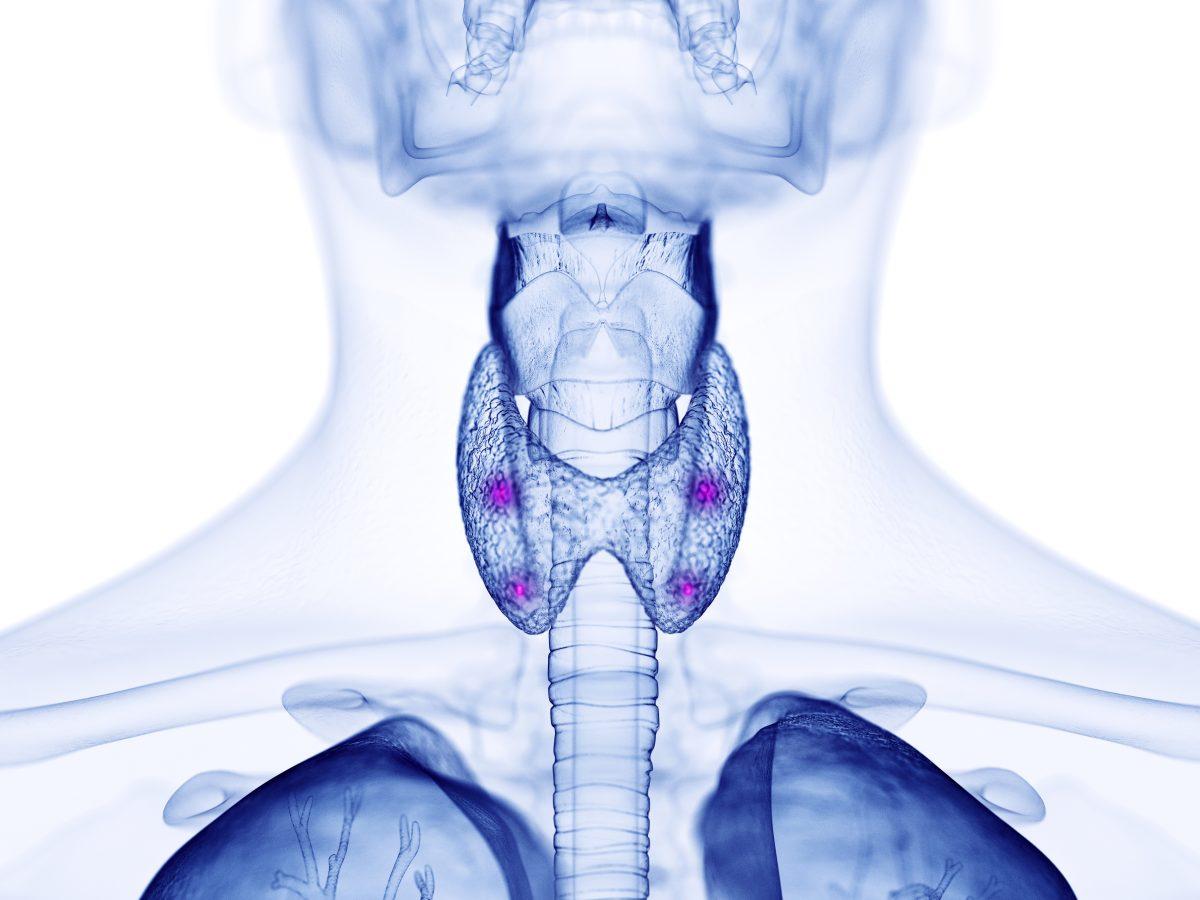
“newly diagnosed with Thyroid conditions and the health team to best help manage and treat your condition”

By Preventative health, Thyroid

Individuals with hyperthyroidism (overactive thyroid) or hypothyroidism (underactive thyroid) can benefit from the support and expertise of various allied health professionals who work together to manage their thyroid conditions and improve overall well-being. Here are some members of the allied health team who can assist people with hyperthyroidism or hypothyroidism:

Endocrinologist: Endocrinologists are medical doctors specializing in hormonal disorders, including thyroid conditions. They diagnose and manage hyperthyroidism and hypothyroidism, prescribe medications, and monitor hormone levels.

Registered Dietitian: Dietitians can provide dietary counseling to address specific nutritional needs related to thyroid conditions. They can help individuals with hypothyroidism manage weight and focus on nutrient-dense foods, and assist those with hyperthyroidism in managing weight fluctuations and nutrient imbalances.

3d Rendered Medically Accurate Illustration Of The Para Thyroid Glands

Psychologist: Thyroid conditions can have emotional and psychological impacts due to hormonal fluctuations and associated symptoms. Psychologists or counselors can offer support and coping strategies to manage stress and emotional well-being.

Physiotherapist (Physical Therapist): Physiotherapists can help individuals with hypothyroidism improve their physical fitness, energy levels, and muscle strength through personalized exercise programs. For those with hyperthyroidism, they can address issues like fatigue and muscle weakness.

Occupational Therapist: Occupational therapists can assist individuals with thyroid conditions in adapting their daily activities to conserve energy and manage any physical limitations associated with their condition.

Pharmacist: Pharmacists can provide information about thyroid medications, including their proper use, potential side effects, and interactions with other drugs.

Speech-Language Pathologist: For individuals with thyroid conditions affecting the throat or vocal cords, speech-language pathologists can address any speech or swallowing difficulties.

Social Worker: Social workers can offer emotional support, connect individuals to community resources, and provide assistance in coping with the challenges of managing a thyroid condition.

Exercise Physiologist: Exercise physiologists can design appropriate exercise programs for individuals with thyroid conditions, taking into account their energy levels, physical capabilities, and overall health.

Complementary and Alternative Therapists: Some individuals may explore complementary therapies, such as acupuncture or meditation, to complement medical treatment. Complementary and alternative therapists can provide guidance in exploring these approaches.

The collaborative efforts of these allied health professionals, alongside endocrinologists and primary care physicians, are essential in providing comprehensive care for individuals with hyperthyroidism or hypothyroidism. By addressing various aspects of the thyroid condition and promoting healthy lifestyle behaviors, allied health support can help manage symptoms, optimize hormone levels, and improve the overall quality of life for those living with thyroid conditions.

“Ulcerative colitis what interventions can help my symptoms?”

By Preventative health, Ulcerative Colitis

Allied health professionals can play a significant role in supporting individuals with ulcerative colitis by providing specialized care, education, and services to manage the condition and improve quality of life. Ulcerative colitis is a type of inflammatory bowel disease (IBD) that causes inflammation and ulcers in the colon and rectum. Here are some allied health professionals who can assist with ulcerative colitis:

Gastroenterologist: Gastroenterologists are medical doctors specializing in digestive disorders and play a central role in diagnosing and managing ulcerative colitis. They prescribe medications, perform endoscopic procedures, and monitor disease activity.

Registered Dietitian : Dietitians can offer dietary counseling to manage symptoms, identify trigger foods, and ensure individuals with ulcerative colitis are getting proper nutrition.

Psychologist: Ulcerative colitis can have emotional and psychological impacts. Psychologists or counselors can offer support, coping strategies, and behavioral therapy to help individuals manage stress and anxiety related to the condition.

Woman Holds Intestines In Her Palms. Gastrointestinal Tract. Int


Physiotherapist (Physical Therapist): Physiotherapists can design personalized exercise programs to improve physical function and overall well-being, as well as address any physical symptoms associated with ulcerative colitis.

Occupational Therapist: Occupational therapists can help individuals adapt their daily activities and environments to reduce strain on the gut and improve overall function.

Complementary and Alternative Therapists: Some individuals with ulcerative colitis may explore complementary therapies, such as acupuncture or relaxation techniques, to complement medical treatment. Complementary and alternative therapists can offer support in exploring these approaches.

Social Worker: Social workers can offer emotional support, connect individuals with ulcerative colitis to community resources, and provide assistance with navigating healthcare systems.

Pharmacist: Pharmacists can review medications and provide information about medications prescribed to manage ulcerative colitis, including their potential side effects and interactions.

Wound Care Specialist: In cases where ulcerative colitis leads to complications such as perianal ulcers or fistulas, wound care specialists can provide expertise in managing and treating these issues.

The collaborative efforts of these allied health professionals, alongside gastroenterologists or primary care physicians, are essential in providing comprehensive care and support for individuals with ulcerative colitis. By addressing various aspects of the condition and promoting healthy lifestyle behaviors, allied health support can help manage symptoms, reduce inflammation, and improve the overall quality of life for those living with ulcerative colitis.

“I have received a diagnosis of an eating disorder, and my doctor is recommending allied health intervention. “

By Eating Disorders, Preventative health

Allied health professionals play a critical role in supporting individuals with eating disorders by providing specialized care, therapy, and education to help manage the condition and facilitate recovery. Eating disorders are complex mental health conditions that can have serious physical and emotional consequences. Here are some allied health professionals who can assist with eating disorders:

Registered Dietitian: Dietitians specialized in eating disorders can provide nutritional counseling, develop meal plans, and help individuals develop a healthier relationship with food.

Psychologist: Psychologists or counselors with expertise in eating disorders can offer individual and group therapy to address the underlying psychological factors contributing to the disorder. Cognitive-behavioral therapy (CBT), dialectical behavior therapy (DBT), and other evidence-based therapies are commonly used.

Psychiatrist: Psychiatrists can assess and manage any underlying mental health conditions that may co-occur with eating disorders. They may also prescribe medication when necessary.

Occupational Therapist: Occupational therapists can help individuals with eating disorders develop coping strategies and life skills necessary for recovery and daily functioning.

Social Worker: Social workers can offer emotional support, help with navigating treatment options and support systems, and address family dynamics that may impact the individual’s recovery.

Art Therapist: Art therapy can be beneficial for individuals with eating disorders, as it provides a non-verbal and expressive way to explore emotions and promote self-awareness.

Physical Therapist: For individuals with eating disorders, physical therapists can address physical consequences of the disorder and help improve overall physical well-being.

Exercise Physiologist: Exercise physiologists can guide individuals toward a balanced approach to physical activity and help prevent excessive or harmful exercise behaviors.

The collaborative efforts of these allied health professionals, alongside mental health specialists and primary care providers, are essential in providing comprehensive care for individuals with eating disorders. A multidisciplinary approach that addresses the physical, psychological, and social aspects of eating disorders is crucial for supporting recovery and promoting overall well-being.

“Irritable bowel syndrome (IBS) and allied health involvement in your care”

By IBS, Preventative health

Allied health professionals can play a significant role in supporting individuals with irritable bowel syndrome (IBS) by providing specialized care and services to manage their symptoms and improve overall well-being. IBS is a functional gastrointestinal disorder characterized by abdominal pain, bloating, and changes in bowel habits. Here are some allied health professionals who can assist with irritable bowel syndrome:

Registered Dietitian: Dietitians can provide personalized dietary guidance to manage IBS symptoms, identify trigger foods, and recommend specific diets such as the low FODMAP diet, which has shown to be effective for some people with IBS.

Gastroenterologist: Gastroenterologists are medical doctors specializing in digestive disorders and can help diagnose and manage IBS. They may perform tests to rule out other conditions and prescribe medications to alleviate symptoms.

Psychologist: IBS can be influenced by stress and emotional factors. Psychologists or counselors can offer support, coping strategies, and behavioral therapy to help individuals manage stress and anxiety related to the condition.

Physiotherapist (Physical Therapist): Physiotherapists can assist with managing physical symptoms such as pelvic floor dysfunction, which can be associated with IBS.

Occupational Therapist: Occupational therapists can help individuals adapt their daily activities and environments to reduce strain and stress on the gut, which may help manage IBS symptoms.

Complementary and Alternative Therapists: Some individuals find relief from IBS symptoms through complementary therapies such as acupuncture, relaxation techniques, or hypnotherapy. Complementary and alternative therapists can offer support in exploring these approaches.

Social Worker: Social workers can offer emotional support, connect individuals with IBS to community resources, and provide assistance with navigating healthcare systems.

Pharmacist: Pharmacists can provide information about medications used to manage IBS symptoms, including over-the-counter and prescription options.

The collaborative efforts of these allied health professionals, alongside gastroenterologists or primary care physicians, are essential in providing comprehensive care and support for individuals with irritable bowel syndrome. By addressing various aspects of the condition and promoting healthy lifestyle behaviors, allied health support can help manage symptoms, enhance well-being, and improve the overall quality of life for those living with IBS.

“Chron’s Disease and a team approach to care”

By Chron's Disease, Preventative health

Allied health professionals can play a crucial role in supporting individuals with Crohn’s disease by providing specialized care and services to manage their condition, improve quality of life, and promote overall well-being. Crohn’s disease is a type of inflammatory bowel disease (IBD) that causes inflammation in the digestive tract, leading to symptoms such as abdominal pain, diarrhea, and weight loss. Here are some allied health professionals who can help with Crohn’s disease:

Gastroenterologist: Gastroenterologists are medical doctors specializing in digestive disorders and play a central role in diagnosing and managing Crohn’s disease. They prescribe medications, perform endoscopic procedures, and monitor disease activity.

Registered Dietitian: Dietitians can provide personalized dietary guidance to manage symptoms and improve nutrition. They can help individuals identify trigger foods, address malnutrition, and maintain a well-balanced diet despite dietary restrictions.

Woman Using Digital X Ray Of Human Intestine Holographic Scan Pr

Psychologist or Counselor: Crohn’s disease can have emotional and psychological impacts. Psychologists or counselors can offer support, coping strategies, and mental health interventions to help individuals manage stress and anxiety related to the condition.

Pharmacist: Pharmacists can provide information about Crohn’s disease medications, including dosages, potential side effects, and drug interactions. They can also offer guidance on proper medication management.

Social Worker: Social workers can offer emotional support, connect individuals with Crohn’s disease to community resources, and provide assistance with navigating healthcare systems.

Physiotherapist (Physical Therapist): Physiotherapists can assist with managing physical symptoms, such as joint pain or muscle weakness, that may be associated with Crohn’s disease.

Occupational Therapist: Occupational therapists can help individuals adapt their daily activities and environments to reduce strain and improve overall function.

Speech-Language Pathologist: For individuals with Crohn’s disease affecting the esophagus, stomach, or throat, speech-language pathologists can assist in addressing swallowing difficulties.

Wound Care Specialist: In cases where Crohn’s disease leads to skin complications like fistulas or abscesses, wound care specialists can provide expertise in managing and treating these issues.

Complementary and Alternative Therapists: Some individuals find relief from Crohn’s disease symptoms through complementary therapies such as acupuncture, yoga, or mindfulness practices. Complementary and alternative therapists can offer support in exploring these approaches.

The collaborative efforts of these allied health professionals, alongside gastroenterologists and other medical specialists, are essential in providing comprehensive care and support for individuals with Crohn’s disease. By addressing various aspects of the condition and promoting healthy lifestyle behaviors, allied health support can help manage symptoms, enhance well-being, and improve overall quality of life for those living with Crohn’s disease.

” I have been diagnosed with arthritis, and my doctor wants to involve the care of an allied health team”….

By Arthritis, Preventative health

Allied health professionals play a significant role in supporting individuals with arthritis by providing specialized care and services to manage their condition, improve joint function, and enhance overall quality of life. Arthritis is a group of conditions characterized by joint inflammation and pain, and there are several types, including osteoarthritis, rheumatoid arthritis, and juvenile arthritis. Here are some allied health professionals who can help with arthritis:

Physiotherapist (Physical Therapist): Physiotherapists design personalized exercise programs and provide manual therapies to improve joint flexibility, strength, and mobility. They can also offer pain management techniques and assistive devices to support daily activities.

Occupational Therapist: Occupational therapists focus on helping individuals with arthritis adapt their daily activities and work environments to reduce joint strain and improve function. They can recommend assistive devices and techniques to enhance independence and productivity.

Registered Dietitian: Dietitians can provide guidance on anti-inflammatory diets and weight management strategies that may help alleviate arthritis symptoms. They can also suggest dietary modifications to support joint health.

Podiatrist: For individuals with arthritis affecting the feet and ankles, podiatrists can provide foot care, recommend orthotics, and suggest appropriate footwear to reduce pain and improve mobility.

Orthotist/Prosthetist: Orthotists can design and fit custom orthotic devices, such as braces or splints, to support and stabilize joints affected by arthritis.

Social worker of Psychologist: Arthritis can have a significant impact on emotional well-being. Social workers or counselors can offer emotional support, coping strategies, and mental health interventions.

Aquatic Therapist: Aquatic therapy, performed in warm water, can be beneficial for people with arthritis, as the buoyancy of water reduces joint stress and facilitates exercise.

Hand Therapist: Hand therapists are specialized in treating conditions affecting the hands and wrists. They can provide targeted interventions for individuals with arthritis in the hands.

Pain Management Specialist: For individuals with severe arthritis pain, a pain management specialist can develop comprehensive pain management plans, including medications, injections, and other interventions.

Speech-Language Pathologist: In some cases of arthritis affecting the jaw joint (temporomandibular joint), speech-language pathologists can provide therapy to improve jaw function and alleviate associated symptoms.

The collaborative efforts of these allied health professionals, alongside rheumatologists or primary care physicians, are essential in providing comprehensive care and support for individuals with arthritis. By addressing various aspects of the condition and promoting healthy lifestyle behaviors, allied health support can help improve joint function, manage pain, and enhance the overall quality of life for those living with arthritis.