Category

Uncategorised

Empowering Women: Our Partnership with APNA for Endometriosis Care

By Uncategorised

Apna

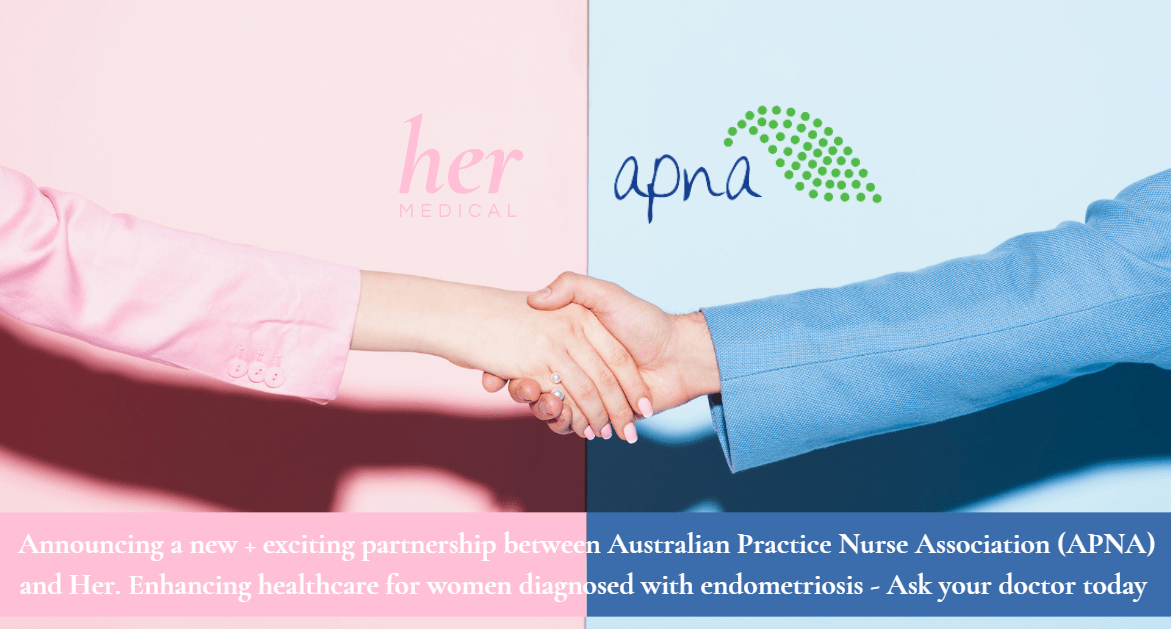
Introduction: At Her Medical, we are committed to providing the best possible care to women, and our latest partnership with the Australian Practice Nurse Association (APNA) is a significant step towards this goal. Together, we are taking a holistic approach to address the challenges that women suffering from endometriosis face. Our nurses play a crucial role in crafting personalised care plans, ensuring better outcomes, and alleviating the burden of this condition on their daily lives.

The Endometriosis Challenge: Endometriosis is a chronic condition that affects countless women across Australia. The physical and emotional toll it takes on those who live with it cannot be understated. Pain, infertility, and emotional distress are just a few of the symptoms that endometriosis can bring. At Her Medical, we understand the need for comprehensive care.

The Holistic Approach: Our partnership with APNA signifies a commitment to a holistic approach to endometriosis care. Holistic care means addressing not just the physical symptoms but also the emotional and psychological well-being of our patients. Our nurses are an integral part of this approach.

The Role of Our Nurses: Our experienced nurses work closely with patients to develop individualised care plans. They provide invaluable support, guidance, and compassion throughout the journey. They are there to answer questions, alleviate concerns, and ensure that every aspect of a patient’s life affected by endometriosis is considered in their care plan.

Better Outcomes: Through this collaboration, we aim for better outcomes. Our nurses ensure that the management of endometriosis and its associated symptoms is as effective as possible. We understand that women should not be burdened by this condition in their day-to-day lives. Our care plans are designed to help women regain control and improve their quality of life.

Conclusion: The partnership between Her Medical and APNA is a testament to our commitment to the well-being of women dealing with endometriosis. By embracing a holistic approach and engaging our skilled nurses, we aim to provide the best care possible. We believe that women should live their lives with less burden and more empowerment. Together, we are making this vision a reality.

Rejuvenate Your Skin: The Power of Vitamin C and Topical Retinoids – By Dr Megan Kelly

By Uncategorised

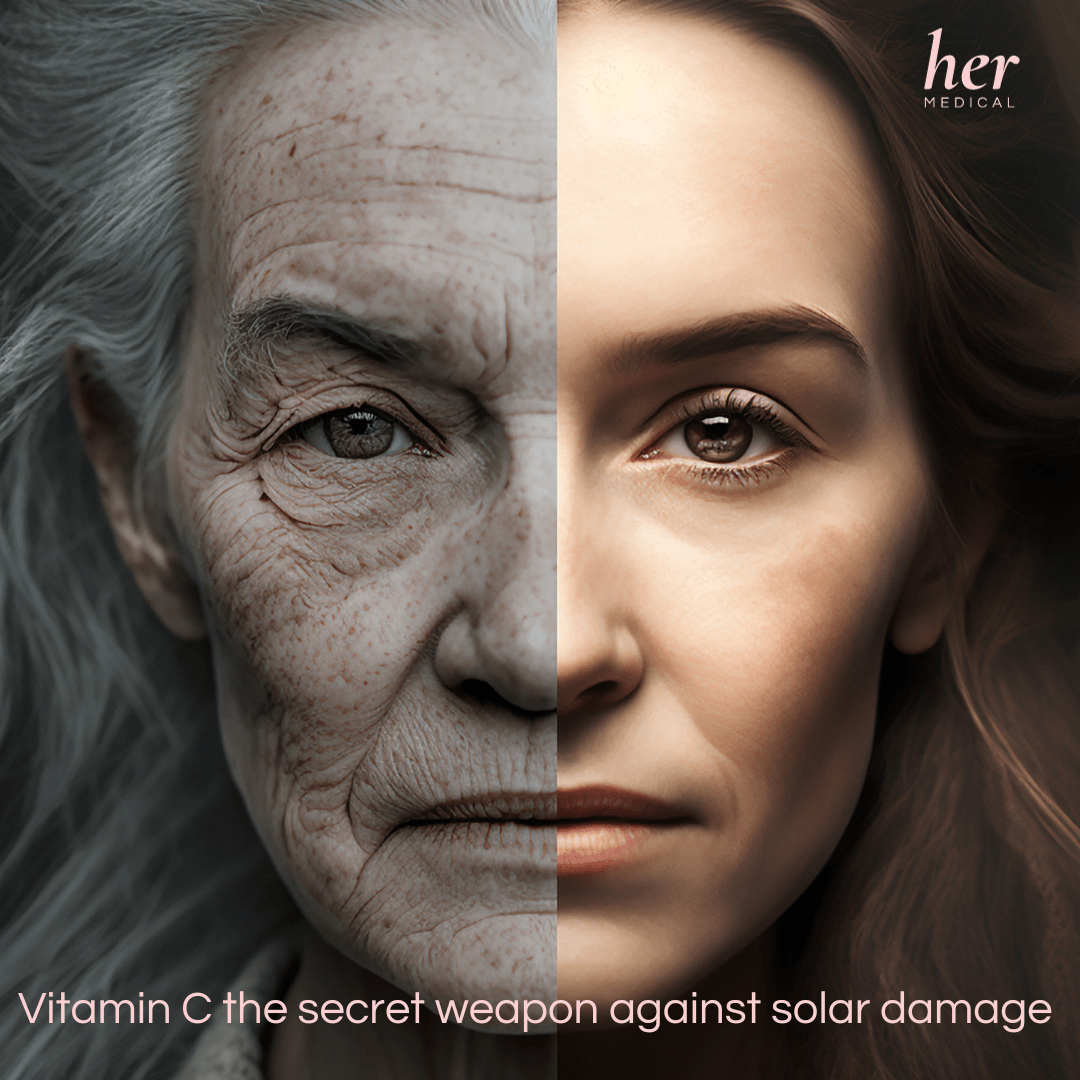
Vitamin C The Secret Weapon Against Solar Damage

Are you aware of the remarkable benefits of vitamin C and topical retinoids in combating solar damage? These two skincare essentials can work wonders for your skin, helping you achieve a brighter, more even complexion while addressing issues like sunspots, hyperpigmentation, fine lines, and wrinkles.

Vitamin C: Your Sun-Damage Defender

Vitamin C is a potent antioxidant, playing a vital role in neutralizing the harmful free radicals generated by sun exposure. By incorporating vitamin C into your routine, you can fade sunspots, hyperpigmentation, and achieve a more radiant and even skin tone. This superhero ingredient is available in the form of serums or creams containing stable variants like L-ascorbic acid or ferulic acid, ensuring maximum effectiveness.

Topical Retinoids: The Age-Defying Elixir

Derived from vitamin A, topical retinoids are renowned for their ability to stimulate collagen production and accelerate cell turnover. They’re a game-changer for reducing the appearance of fine lines, wrinkles, and sun damage, leaving you with smoother and more youthful-looking skin. It’s important to start with a low concentration of prescription topical retinoids and gradually increase usage to allow your skin to adapt. Follow the provided instructions to avoid potential irritation.

The Winning Combination

Here are some tips to make the most of these skincare powerhouses:

  1. Choose a vitamin C product that contains stable forms like L-ascorbic acid or ferulic acid for maximum effectiveness.
  2. When introducing topical retinoids, start with a low concentration and gradually increase usage to minimize skin irritation. Always follow the product’s instructions.
  3. Don’t forget the sunscreen! Daily sun protection is essential to prevent further solar damage and maintain the results of your skincare routine.

So, if you’re looking to reverse the effects of solar damage and achieve a revitalized complexion, consider adding vitamin C and prescription topical retinoids to your skincare regimen. Your skin will thank you for the rejuvenation!


“Navigating the Menopause Journey: Pre, Mid, and Post-Menopause Insights”

By Uncategorised

Introduction: Menopause is a significant stage in a woman’s life, and it’s a journey that unfolds in three distinct phases. Each stage brings its own challenges and unique experiences. In this blog, we’ll explore the pre-menopause, menopause, and post-menopause phases, offering insights and guidance for a smoother transition.

Pre-Menopause: Embracing Change The pre-menopause phase, often referred to as perimenopause, can begin as early as your 30s or 40s. During this stage, hormonal shifts become noticeable, and you may experience irregular periods, mood swings, and other symptoms. It’s essential to:

  • Embrace lifestyle changes: Prioritize a balanced diet, regular exercise, and stress management.
  • Seek support: Talk to friends, family, or healthcare professionals for emotional support and guidance.
  • Educate yourself: Understanding the process can help you prepare mentally and emotionally.

Menopause: A New Beginning Menopause itself is marked by the absence of menstruation for 12 consecutive months. It typically occurs around the age of 50. Key considerations during this phase include:

  • Symptom management: Hot flashes, mood swings, and sleep disturbances can be managed through lifestyle adjustments and, if needed, hormone replacement therapy (HRT).
  • Embracing the positives: Many women find that menopause brings a newfound sense of freedom and self-discovery.
  • Self-care: Continue prioritizing your health through regular check-ups, bone health, and mental well-being.

Post-Menopause: Thriving Beyond Post-menopause is the phase after menopause has been established. It’s a time to embrace life and focus on your well-being. Here are some tips:

  • Health vigilance: Regular health check-ups, particularly bone density scans, remain important.
  • Embrace your wisdom: This is a time to cherish the knowledge and experiences gained throughout your journey.
  • Rekindle passions: Explore new interests and revive old hobbies.

Conclusion: The menopause journey is a transformative experience, and each phase has its unique challenges and rewards. By staying informed, seeking support, and prioritizing self-care, you can navigate this journey with grace and resilience. Remember, you’re not alone on this path, and many women find a renewed sense of purpose and joy in their post-menopausal years.


Try our symptom checkerhttps://hermedical.snapforms.com.au/form/perimenopause-and-menopause-symptom-checklist Untitled Design

“I have been diagnosed with Polycystic Ovary Syndrome and now my doctor has recommended allied health intervention”

By PCOS, Preventative health, Uncategorised

People with polycystic ovary syndrome (PCOS) can benefit from the support and expertise of various allied health professionals who work together to manage the condition and address its associated symptoms. PCOS is a hormonal disorder that affects women of reproductive age and can cause irregular menstrual cycles, infertility, and other health concerns. Here are some allied health professionals who can provide support to individuals with PCOS:

Gynecologist or Reproductive Endocrinologist: These specialists play a central role in diagnosing and managing PCOS. They can prescribe medications to regulate menstrual cycles, manage hormonal imbalances, and address fertility issues if needed.

Registered Dietitian or Nutritionist: Dietitians can provide guidance on diet and lifestyle modifications to manage insulin resistance and promote weight management, as these are often associated with PCOS. They can help individuals develop balanced meal plans that support hormone regulation and overall health.

Endocrinologist: Endocrinologists specialize in hormonal disorders and can provide expert care for individuals with PCOS. They can help manage hormonal imbalances and address specific concerns related to the endocrine system.

Pain Management Specialist: Some individuals with PCOS may experience chronic pelvic pain or discomfort. A pain management specialist can develop strategies to alleviate pain and improve the person’s quality of life.

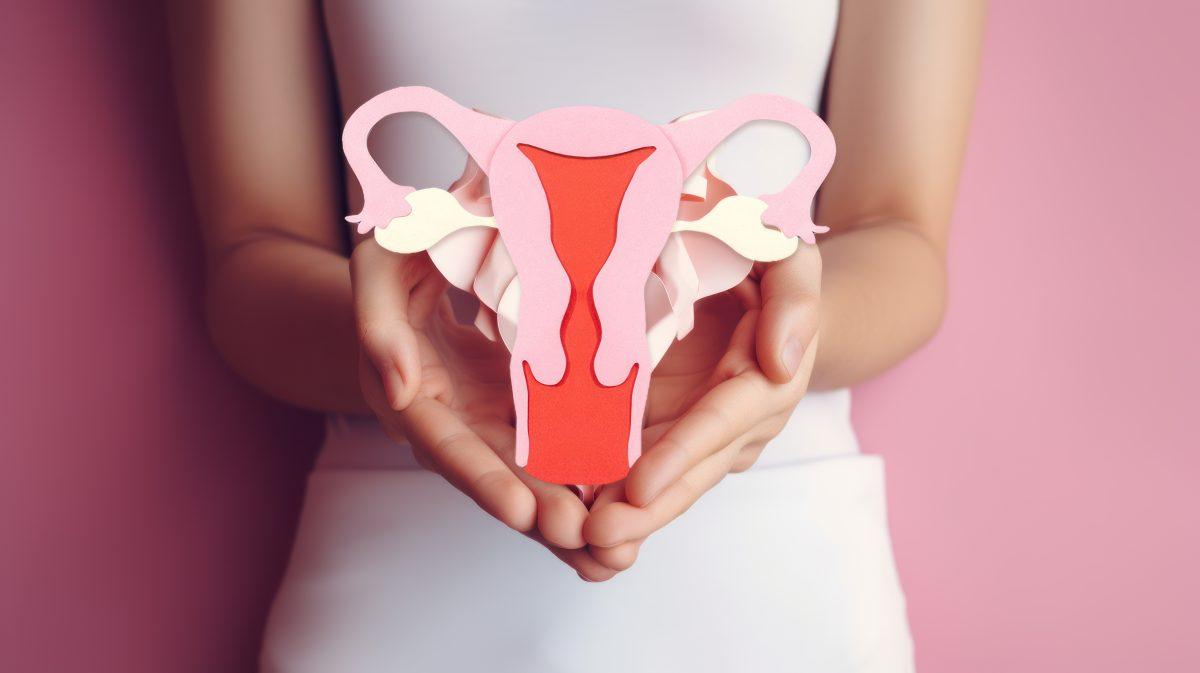
Female Reproductive Health Concept. Woman Hand Holding Uterus Sh

Psychologist: PCOS can have psychological impacts due to fertility concerns, hormonal fluctuations, and body image issues. Psychologists or counselors can offer support, coping strategies, and mental health interventions.

Pelvic Floor Physical Therapist: Pelvic floor physical therapists can address any pelvic floor muscle dysfunction and pelvic pain that individuals with PCOS may experience.

Infertility Specialist: For those with PCOS facing fertility challenges, an infertility specialist or reproductive endocrinologist can provide guidance on fertility treatments and options.

Social Worker or Support Groups: A social worker can offer emotional support, connect individuals with PCOS to community resources, and provide information on support groups where they can connect with others facing similar challenges.

Acupuncturist or Alternative Therapist: Some individuals find relief from PCOS symptoms through complementary and alternative therapies, such as acupuncture or herbal medicine.

: Regular physical activity is beneficial for managing PCOS. Exercise physiologists or physical therapists can design appropriate exercise programs tailored to individual needs.

The management of PCOS often involves a combination of medical treatments, lifestyle modifications, and support from various allied health professionals. A multidisciplinary approach can provide comprehensive care and help individuals with PCOS address the various aspects of the condition, improve their quality of life, and manage symptoms effectively.